

What Is a Webinar Follow-Up Email (And Why It Matters More Than Your Webinar Itself)
A webinar follow up email is any message you send after your webinar to continue the conversation with your audience.
It helps you reinforce your message, deliver the webinar recording or replay link, share additional resources, and guide people toward a clear next step.
Most experts focus heavily on the live session. They spend time refining the webinar topic, choosing the right webinar title, and improving their presentation.
But even the most effective webinar will underperform without a strong post-webinar follow-up.
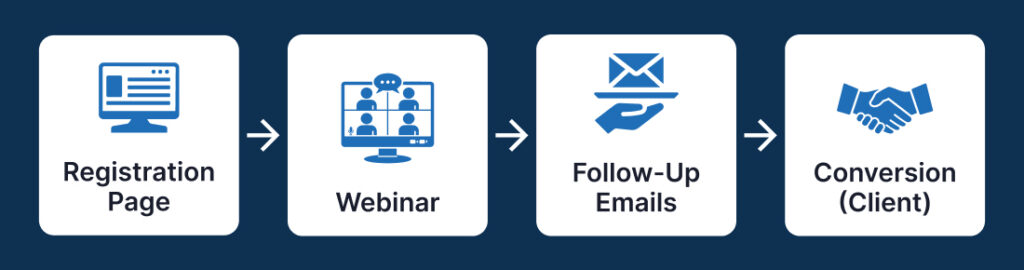
Your webinar creates interest. Your webinar email sequence turns that interest into conversions.
Think about it from your audience’s perspective.
They just attended your live or on-demand webinar. Some stayed the entire time. Others dropped off early. Some of your webinar registrants did not attend at all.
They are now deciding what to do next.
If you do not follow up, you lose that momentum. Your brand is no longer top of mind. Your webinar attendance does not translate into revenue. Your webinar ROI suffers.
This is where many coaches and consultants quietly lose momentum. They do the work, show up live, and then watch their leads go cold.
They focus on lead generation and filling the webinar. They build a landing page, promote on social media, and send reminder emails.
But after the webinar ends, there is no clear workflow.
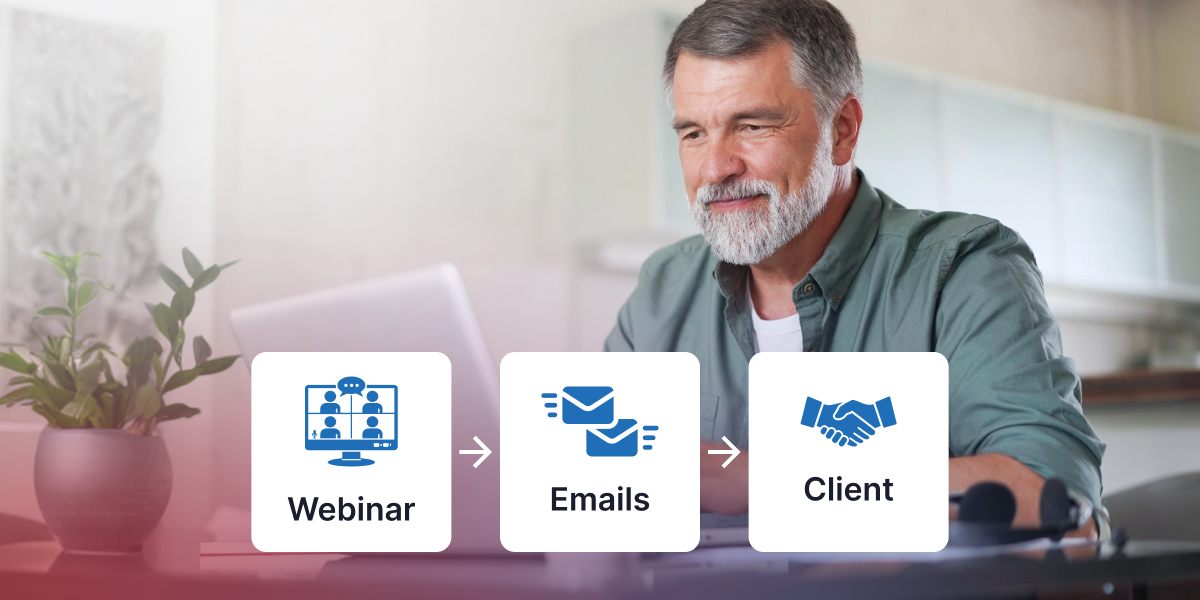
Your webinar follow-up email sequence is what determines whether your webinar produces clients or just collects leads. It turns registrants into buyers and helps you get more value from every webinar you run.
| If your follow-up feels scattered or inconsistent, this is the piece most experts are missing.If you’ve ever finished a webinar and wondered what to send next, the Follow-Up Engine inside WebinarKit gives you the exact emails and structure so you’re not guessing every time.It gives you a clear structure for what to send after your webinar so leads don’t go cold.Get the exact follow-up emails and system you can use after your next webinar. |
The Real Reason Most Webinar Follow-Up Emails Don’t Convert
If your follow up emails are not generating sales, it is rarely because your audience is not interested.
Most of the time, it comes down to gaps in your post-webinar follow-up strategy.
They Try to Sell Too Soon
Many emails jump straight into the offer.
This often happens right after the thank-you email or replay email.
At this stage, your audience is still thinking. They may rewatch the webinar recording or reflect on what they learned.
If your message feels like a hard pitch too early, it creates resistance.
There’s No Clear Email Sequence
Sending a few emails is not the same as having a webinar email sequence.
Without a defined structure, your messaging feels inconsistent. There is no clear progression from interest to decision.
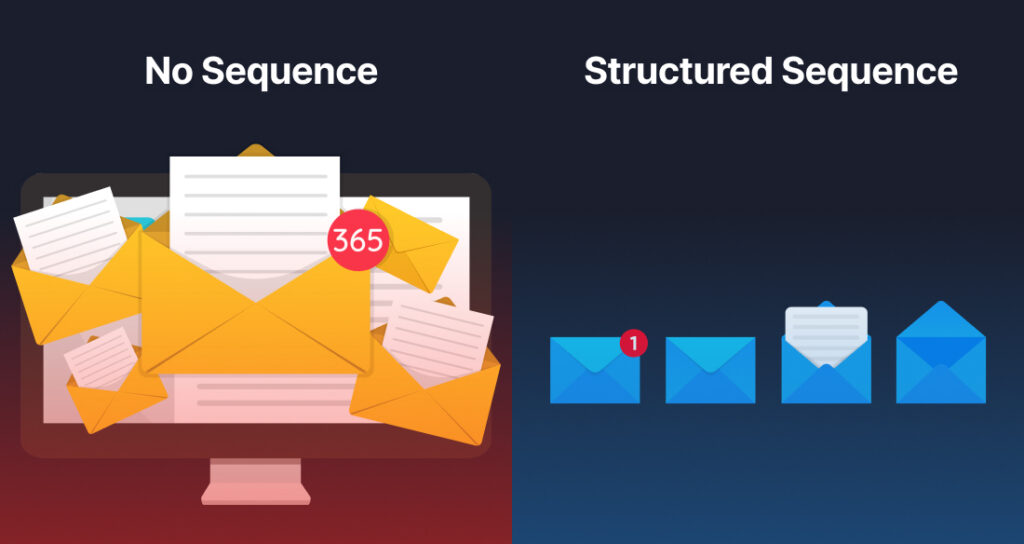
This makes it harder to optimize your results over time.
They Ignore Different Types of Webinar Registrants
Not all webinar attendees are the same.
Some engaged deeply. Others only watched a few minutes. Some of your webinar registrants never joined the live session at all.
If your emails treat all leads the same, your messaging becomes less relevant.
Segmenting your audience improves engagement, click rates, and conversions.
They Don’t Address Real Objections
Your audience is thinking about more than your offer.
They are asking:
- Will this work for me?
- Is the pricing worth it?
- Do I have time to implement this?
- Will this fit my business?
If your emails do not address these concerns, people hesitate.
And hesitation reduces conversions.
The Psychology Behind High-Converting Webinar Follow-Up Emails
To improve your results, you need to understand what happens after your webinar ends.
Timing: Why the First 24 to 72 Hours Matter Most
Right after your webinar, your audience is engaged.
Your content is still fresh. Your message is clear. They are more likely to open emails and click your links.
This is when your email subject line matters most. Strong subject lines improve open rates and keep your message visible.
If your follow up is delayed, your audience loses interest.
Trust Before Transaction
People do not buy because you sent more emails. They buy when those emails help them feel certain they will not waste time, money, or effort.
They buy because they trust you.
Your follow up emails should reinforce your expertise and show that you understand their situation.
This builds confidence and supports better decision-making.
Repetition Without Feeling Repetitive
Most people need to see your message multiple times.
This is where a structured email sequence helps.
Each email can highlight a different angle. You might share a recap, a story, a case study, or additional resources.
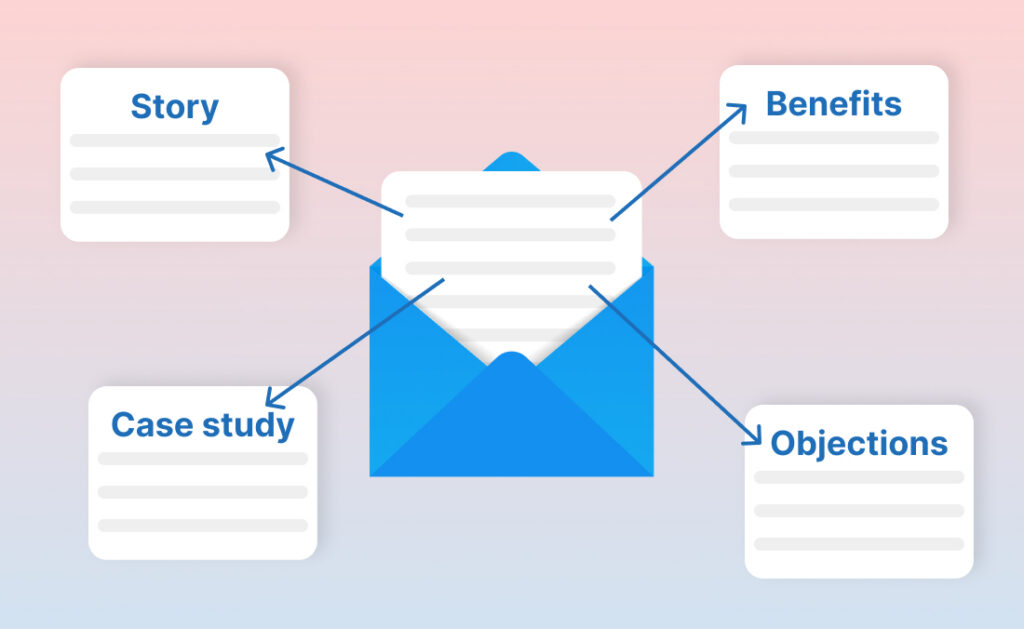
This keeps your message clear without overwhelming your audience.
Decision Support, Not Pressure
Your goal is not to push your audience.
It is to help them make a confident decision.
When your emails provide clarity, answer questions, and include a clear CTA (call-to-action), your audience is more likely to take action.
| If you are unsure what to send or when to send it, you don’t need to figure it out from scratch.The Follow-Up Engine inside WebinarKit shows you how to structure your emails across those critical first few days.It also connects with the full system so your webinars convert consistently. |
The Webinar Follow-Up Email Sequence That Drives Sales
A strong webinar follow up email sequence is simple and intentional.
It acts as a repeatable workflow that you can refine and automate over time.
Here is a five-email structure you can use.
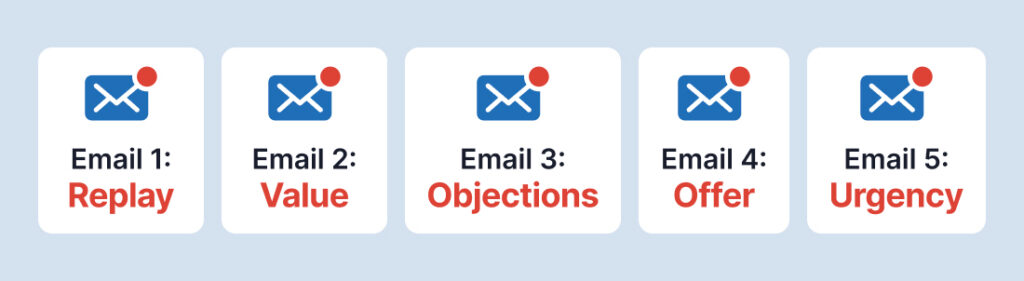
Email 1: The Replay and Reinforcement
Send this shortly after your live session ends.
Include the webinar recording or replay link. You can also include a short recap of key takeaways.
This email often performs well because your audience is still engaged.
Email 2: The Value Expansion Email
Pick one key moment from your webinar, something people nodded along to or took notes on, and expand it with a concrete example or step-by-step explanation.
Share a practical tip, insight, or additional example.
This keeps your audience engaged and reinforces your authority.
Email 3: The Objection Crusher
Address common concerns.
This is especially important for people who did not attend the full webinar or are still unsure.
You can speak directly to concerns about time, pricing, complexity, or past experiences.
Email 4: The Offer Breakdown
Explain your offer clearly.
Include what is included, how it works, and what outcome they can expect.
If relevant, mention tools, systems, or even your webinar platform and how it supports their results.
Clarity improves conversions.
Email 5: Urgency and Decision Email
Help your audience take action.
This could include a deadline, limited access, or a reminder of your next webinar or future webinars.
Keep the tone calm and supportive.
A Quick Email Example
Email subject line:
Still thinking about this?
Email body copy:
I know you might be wondering if this is the right time or if this will actually work for you.
That is completely normal.
What we covered in the webinar is not just theory. It is a practical approach that has helped others move from feeling overwhelmed to building a system that works.
If you are ready to take the next step, you can explore the details here.
| If you want done-for-you guidance instead of guessing what to write, this is where templates make the difference.Inside WebinarKit, you get webinar follow-up email templates you can adapt for your own audience and offers.You also get the full system behind them so your emails actually convert. |
What to Say in Your Webinar Follow-Up Emails (Without Sounding Salesy)
Many experts hesitate to send follow up emails because they do not want to sound pushy.
The key is not to avoid selling. It is to communicate clearly and naturally.
Use Conversations, Not Campaigns
Write like you are speaking to one person.
Keep your language simple. Avoid sounding like a marketing team or corporate brand.
Your emails should feel personal.
Reflect Their Internal Dialogue
Your audience already has questions.
When you reflect those thoughts, your emails feel relevant.
For example, “You might be wondering if this will work for your business.”
This builds connection.
Share Stories and Proof
A short story about someone who hesitated, then got results, can often convert better than a full explanation of your offer.
You can share quick examples, results, or outcomes from past clients or customers.
This makes your emails more relatable and builds trust.
Make the Offer Feel Like the Next Logical Step
Your webinar introduced a solution.
Your follow up emails should show how your offer helps implement that solution.
When this is clear, your CTA feels natural.
How Many Webinar Follow-Up Emails Should You Send (And When)
A common question is how many follow up emails to send.
In most cases, four to seven emails is effective because it gives your audience enough exposure to understand the offer without feeling overwhelmed.
Here is a simple structure:
- Day 0: Replay or thank-you email
- Day 1 to 3: Core webinar email sequence
- Day 4 to 5: Final reminder and urgency
This approach helps maintain visibility without overwhelming your audience.
Segmenting Your Follow-Up
To improve your results, segment your audience.
You can group:
- Webinar attendees
- No shows
- People who clicked but did not purchase
You can also connect this data to your CRM to track engagement and improve your metrics over time.
This helps you optimize your workflow and improve conversions across future webinars.
How Webinar Follow-Up Fits Into a Complete Webinar System
Your webinar follow up email sequence is one part of a larger system.
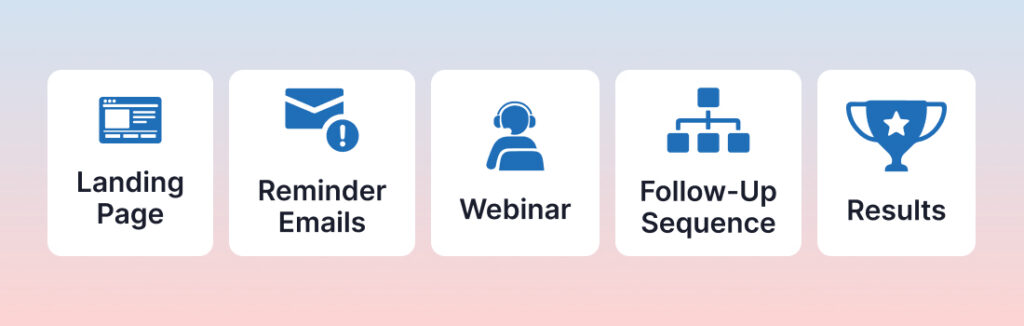
Your webinar funnel includes:
- A landing page that drives registrations
- Reminder emails that improve attendance rates
- A live or on-demand webinar that delivers value
- A post-webinar follow-up sequence that drives conversions
When these pieces work together, your results become more predictable.
If one part is weak, your webinar ROI decreases.
This is why strong follow up alone is not enough. It needs to be connected to the full system.
5 Webinar Follow-Up Email Mistakes That Cost You Sales
Small mistakes can reduce your results more than you expect.
Here are five to avoid:
- Sending only one or two emails and stopping too early
- Not including a clear CTA in each email
- Overloading emails with too much information
- Ignoring urgency or not giving a reason to act
- Writing in a tone that feels distant or overly formal
Avoiding these mistakes can improve your engagement, conversions, and overall performance.
A Simple Way to Start Improving Your Follow-Up Today
You do not need a complex system to improve your results.
Start by writing just one email: your replay email.
Include the link, restate the core problem, and remind them why it matters now.
That one email alone can improve your results immediately.
Start with a simple structure.
Use basic email templates to create your sequence. Focus on clarity and consistency.
You can refine your webinar follow-up email templates over time as you learn what works.
Keep your subject lines simple. Focus on one message per email.
As you improve, you can automate parts of your workflow to save time and increase consistency.
Want the Full Webinar Follow-Up System Done for You?
If you have ever finished a webinar and felt unsure about what to send next, you are not alone.
Many experts are great at delivering an effective webinar, but struggle to turn that into a repeatable system.
Your webinar follow up email sequence is a key part of that system.
But it works best when it is connected to everything else, from your landing page to your offer to your follow up.
When everything is aligned, your webinars stop feeling like one-time events and start becoming a predictable source of clients, without needing to constantly chase new leads.
| If you want a simple way to bring all of this together, start with a system that connects every piece.WebinarKit gives you the Show-Up System, Follow-Up Engine, Offer Stack Builder, and Registration Page Copy Blocks in one place.So your webinars do not just get attention. They generate consistent results. |
Closing Thoughts
A strong webinar follow up email sequence can completely change your results.
Instead of hoping for conversions, you guide your audience toward a clear decision.
Instead of guessing what to send, you follow a structured workflow.
And instead of relying on one-time events, you build a system that improves over time.
When you get this right, your webinars become more than a one-time event.
They become a consistent growth channel for your business.