



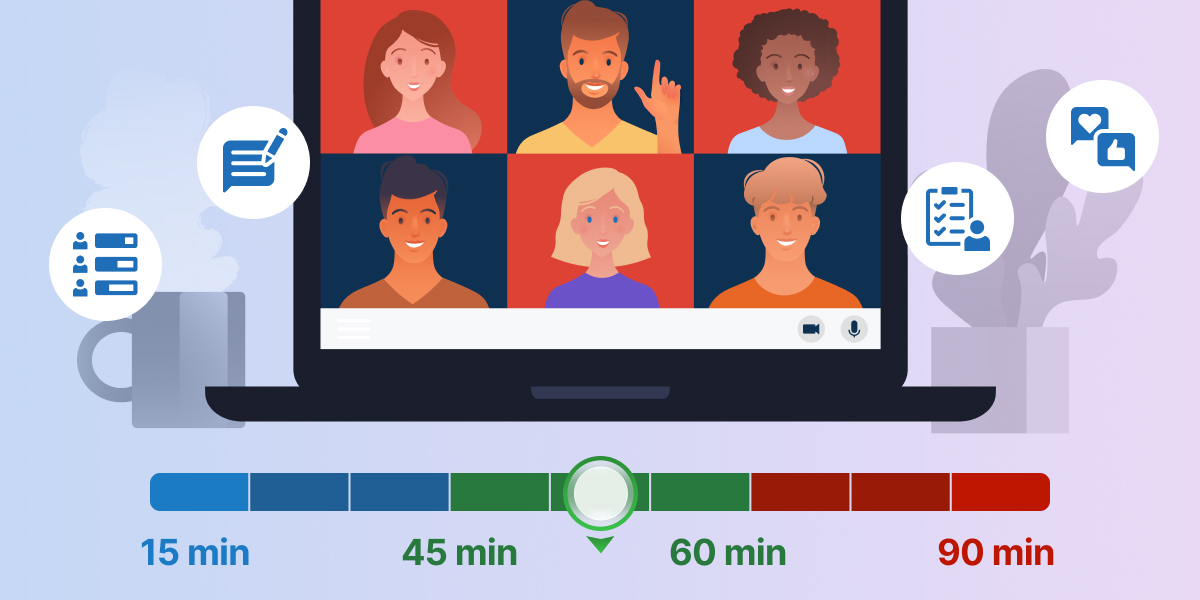
When planning a webinar, one of the most common questions marketers ask is simple:
How long should a webinar be?
Too short, and you may not have enough time to deliver meaningful insights, demonstrate your expertise, or present your offer.
Too long, and attendees begin to drop off as attention spans fade.
The challenge is finding the right balance between delivering value and respecting your audience’s time. If you’re new to hosting them, it helps to understand what a webinar actually is and how businesses use webinars for education, lead generation, and sales.
Across most industries and webinar platforms, the data points to the same conclusion:
The best webinar length is typically between 45 and 60 minutes.
This timeframe allows hosts to teach their subject matter in depth, include interactive elements, run product demos, and host Q&A sessions while maintaining strong audience engagement and conversion rates.
However, the ideal webinar duration can vary depending on the type of webinar, the complexity of the topic, and the expectations of your target audience.
In This Article
What Is the Best Webinar Length?
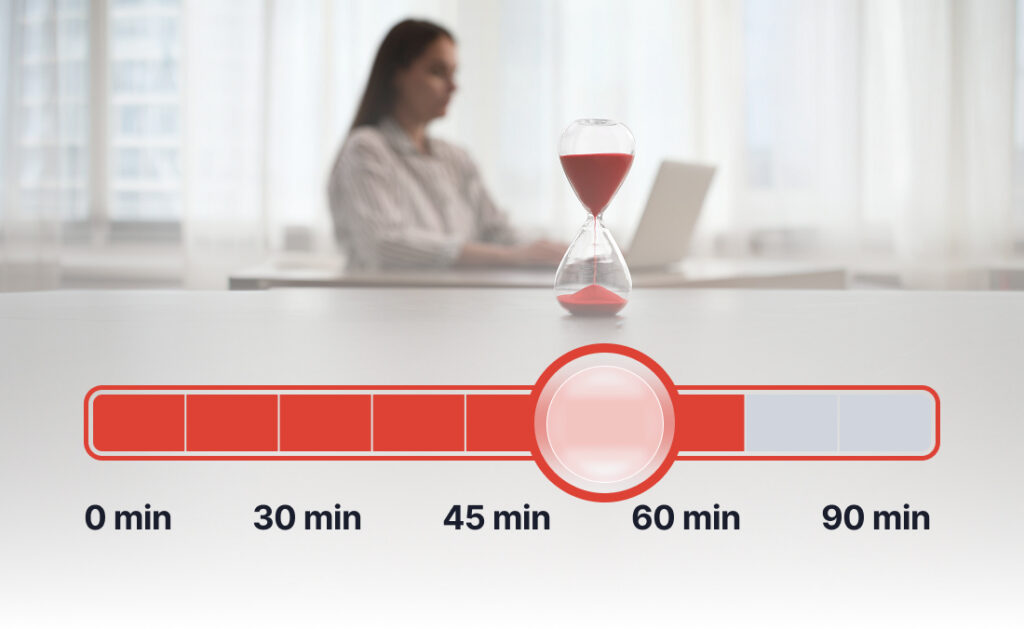
The best webinar length is typically 45–60 minutes. This duration gives presenters enough time to explain the topic in depth, include interactive elements like polls or quizzes, run product demonstrations, and answer audience questions without losing attention. Shorter webinars can work for product demos, while longer sessions may be needed for complex educational topics.
Most successful webinars follow a structured format that balances education, engagement, and conversion.
When a webinar includes interactive elements and clear teaching segments, audiences are far more likely to remain engaged until the end of the session.
Why Webinar Length Matters
Webinar duration directly affects audience engagement, attendance rates, and conversion outcomes.
Today’s audiences are constantly balancing multiple digital distractions. Even when someone registers for a webinar, their attention span can fade quickly if the presentation lacks momentum.
A well-structured webinar length helps maintain audience attention while allowing presenters to deliver valuable insights.
If a webinar is too long, attendees may leave before the most important content or offer is presented. If it is too short, presenters may struggle to explain complex topics or build enough trust with the audience.
Finding the optimal webinar length ensures that presenters have enough time to deliver meaningful information while keeping the experience engaging and efficient.
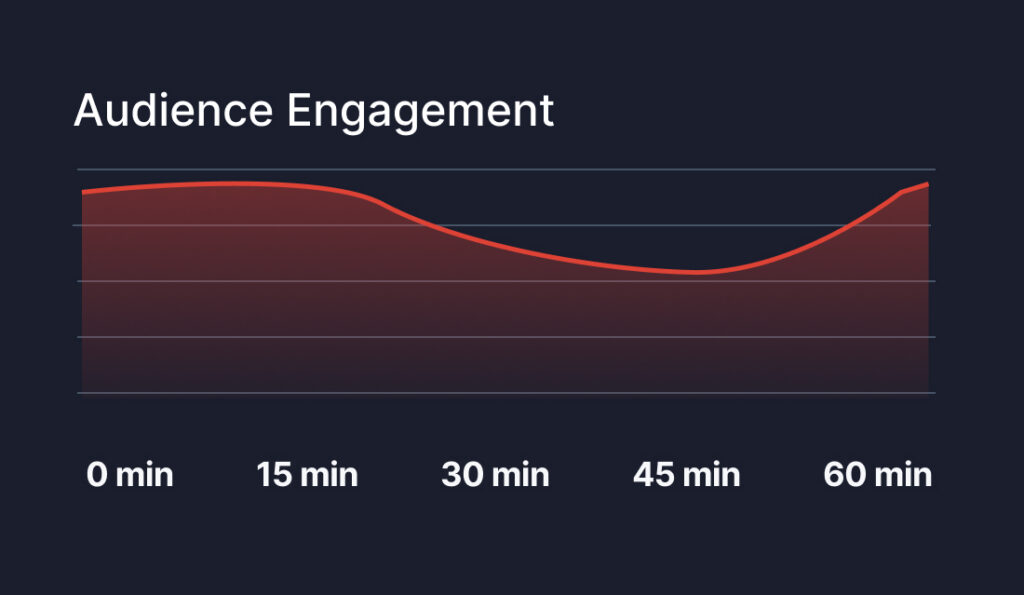
For most webinars, the sweet spot remains around one hour.
Webinar Length by Webinar Type
Not all webinars require the same duration. The optimal webinar length depends heavily on the format and goals of the session.
Choosing the right format can make a major difference in performance, especially when you’re deciding between live and automated webinars.
| Type of Webinar | Recommended Length | Why It Works |
| Product Demo Webinar | 20–30 minutes | Quick walkthrough of features without overwhelming viewers |
| Educational Webinar | 45–60 minutes | Allows in-depth teaching and audience engagement |
| Sales Webinar | 50–60 minutes | Provides time to build trust before presenting an offer |
| Panel Discussion | ~60 minutes | Multiple speakers require additional discussion time |
| On-Demand Webinar | 30–45 minutes | Automated viewers prefer faster presentations |
The 52-Minute Webinar Structure That Drives Conversions
High-performing webinars rarely rely on improvisation. Instead, they follow a clear presentation framework designed to maintain retention and guide attendees toward action.
A commonly used structure looks like this:

Minutes 0–10: The Hook
The first ten minutes determine whether attendees stay or leave.
During this segment you should:
- Introduce yourself and establish credibility
- Explain the subject matter
- Outline what attendees will learn
This early clarity helps prevent immediate drop-offs and encourages attendees to stay engaged.
Minutes 10–30: Core Teaching
This is the educational portion of the webinar where you deliver real value.
Successful webinar presentations often include:
- Teaching frameworks
- Case studies
- Practical examples
- Actionable strategies
Providing meaningful insights helps build trust with the audience.
Minutes 30–40: Transition to the Offer
Once the educational content is complete, presenters transition toward the solution.
This section may include:
- Product demonstrations
- Program overviews
- Solution walkthroughs
The key is to maintain momentum without adding unnecessary fluff.
Minutes 40–52: Pitch and Q&A
The final section typically includes:
- Offer explanation
- Objection handling
- A live Q&A session
Attendees who remain engaged at this stage are often the most motivated and likely to convert.
Engagement Strategies That Reduce Drop-Off
Even the best webinar length will struggle if the presentation is passive.
Interactive elements help keep the audience engaged and significantly reduce drop-off rates. Using simple strategies to boost webinar participation can dramatically improve retention throughout longer sessions.
Polls
Live polls allow attendees to participate in real time while giving presenters valuable insights into audience preferences.
Quizzes
Short quizzes reinforce key ideas and encourage participation throughout the webinar.
Chat Interaction
Encouraging attendees to comment or ask questions in the chat creates a more dynamic experience.
Visual Variety
Slides, storytelling, and real-world examples help maintain attention during longer sessions.
These interactive techniques can dramatically improve audience retention during live webinars.

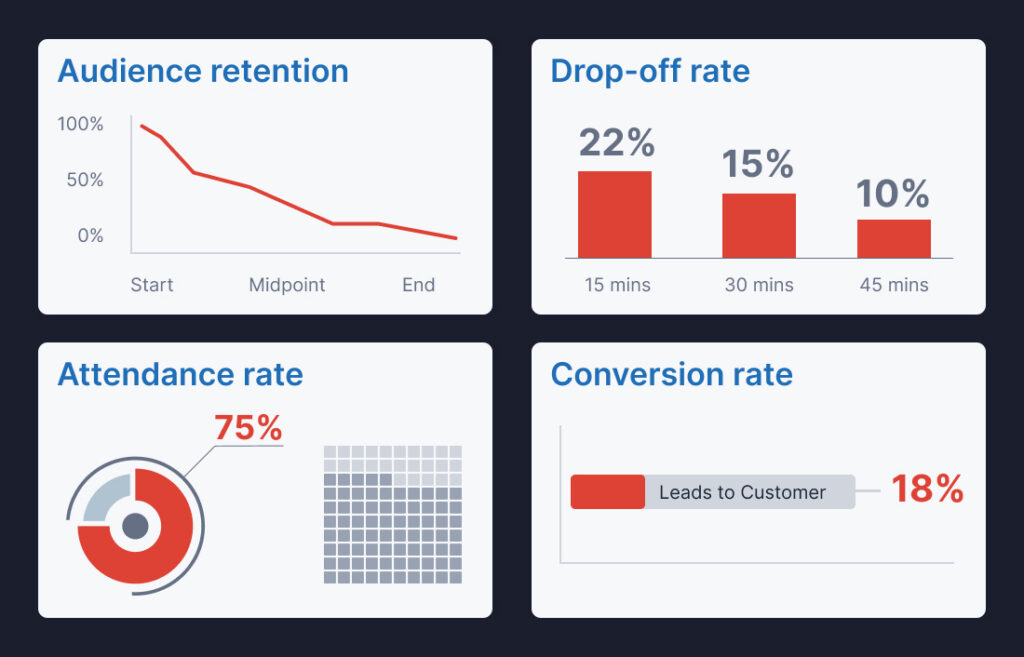
Webinar Metrics That Reveal the Right Length
The most successful webinar hosts continuously optimize their presentations using data.
Rather than guessing the ideal webinar duration, they analyze performance metrics from their webinar software.
Key metrics include:
Drop-Off Rate
This metric shows when attendees leave the webinar.
If drop-offs consistently occur at certain points, it may indicate weak transitions or unnecessary content.
Audience Retention
Retention reveals how long attendees remain engaged.
Higher retention typically indicates strong pacing and valuable content.
Conversion Rate
Conversion rates reveal how effectively the webinar motivates attendees to take the next step.
Attendance Rate
Tracking how many registrants attend your live event helps determine the best scheduling times. Following proven strategies for getting more people to show up to your webinar can significantly increase live attendance rates.
By monitoring these metrics, webinar hosts can continually optimize future webinars.
Common Webinar Mistakes That Increase Drop-Off
Many webinars lose attendees due to avoidable mistakes.
Common issues include:
- Long introductions that delay delivering value
- Slides overloaded with text
- Long webinars without interactive elements
- Ignoring audience questions until the end
- Adding unnecessary filler content
Successful webinar hosts design presentations that maintain engagement from beginning to end.
How Webinar Length Impacts Lead Generation
Webinars are one of the most effective tools for lead generation because they allow businesses to educate audiences and demonstrate expertise in real time. Many companies also use webinars to make money with webinars through product sales, courses, and coaching programs.
When webinar length is optimized, attendees remain engaged long enough to understand the value of the offer and take the next step.
Educational webinars build trust, while product demo sessions help prospects visualize solutions.
For many organizations, webinars have become a core marketing strategy because they combine education, engagement, and conversion in a single experience.
Frequently Asked Questions
How long should a webinar be?
Most webinars perform best when they last between 45 and 60 minutes. This timeframe allows presenters to deliver meaningful insights while maintaining audience engagement.
Are shorter webinars better?
Shorter webinars can work well for product demonstrations or focused training sessions. However, educational webinars often require more time to explain complex topics.
Do longer webinars convert better?
Longer webinars sometimes produce higher conversion rates because attendees who remain engaged longer tend to be highly interested. However, these sessions must maintain strong pacing and interaction.
How long should a sales webinar be?
Sales webinars typically perform best when they run between 50 and 60 minutes. This allows presenters to build trust, deliver educational content, demonstrate their solution, and answer questions before presenting the offer.
What is the best time to host a webinar?
The best time depends on your audience and time zones. Many professional audiences prefer mid-week afternoons when they are available to attend virtual events.
The Bottom Line
The best webinar length isn’t about filling time.
It’s about delivering meaningful value while respecting your audience’s attention.
For most webinar formats, the optimal duration remains 45–60 minutes. This window provides enough time to teach valuable insights, demonstrate expertise, answer questions, and guide attendees toward the next step.
When paired with a strong presentation structure, interactive elements, and the right webinar platform, webinars become one of the most powerful tools for education, engagement, and lead generation. Choosing the best webinar software can make a major difference in both audience experience and conversion performance.